Upholstery Cleaning in Homes and Businesses: A Practical, SEO-Friendly Look at Cleaner Furniture, Healthier Spaces, and Longer-Lasting Fabrics
Upholstery cleaning is one of those essential services people often appreciate most after they see the results. Sofas, armchairs, dining chairs, ottomans, and office seating all absorb daily wear, dust, body oils, food spills, pet hair, and airborne debris. Over time, these materials can make furniture look dull and feel less inviting. That is why professional upholstery cleaning matters so much: it refreshes fabric, improves indoor comfort, and helps protect your investment in furniture.
If you have ever searched for upholstery cleaning because your couch looks tired or your chairs have developed stubborn stains, you are not alone. Many homeowners and business owners want a simple, reliable way to restore the appearance of their furnishings without risking damage. The right upholstery cleaning approach can make a dramatic difference in the look, smell, and feel of a room. It can also help reduce allergens and extend the life of your furniture.
In this article, we will explore what upholstery cleaning involves, why it is important, how the process works, and what to expect from a professional service. You will also learn about different fabric types, common mistakes to avoid, maintenance tips, and how to choose the best upholstery cleaning method for your needs. Whether your furniture is in a busy home, a rental property, or a commercial space, understanding upholstery cleaning can help you keep everything looking better for longer.
Why Upholstery Cleaning Matters More Than Many People Realize
Furniture is used every single day, so it naturally accumulates grime that often goes unnoticed until discoloration or odors become obvious. Upholstery cleaning removes dirt that settles deep in fibers, helping restore the original appearance of the fabric. This is especially important for high-traffic items like family room sofas, lobby chairs, and dining seats. A proper upholstery cleaning routine keeps furniture visually appealing while also creating a cleaner indoor environment.
Clean upholstery is not just about appearance. Fabrics can trap dust mites, pollen, pet dander, and other contaminants. For many people, that means upholstery cleaning contributes to better indoor air quality and a more comfortable living space. In homes with children, pets, or allergy sufferers, regular cleaning is even more valuable. It helps reduce buildup that can trigger sensitivities and cause lingering odors.
There is also a financial reason to prioritize upholstery cleaning. Replacing furniture can be expensive, especially when the piece is well-made or part of a coordinated set. By investing in upholstery cleaning, you help preserve fabric condition and avoid premature wear. In other words, routine care can save money in the long run while keeping your home or office looking polished.
How Professional Upholstery Cleaning Works
Professional upholstery cleaning typically begins with a fabric inspection. A technician identifies the material, evaluates the level of soiling, and checks for stains, weak seams, or delicate finishes. This step matters because different fabrics require different treatments. A method that works on microfiber may not be suitable for silk, linen, or certain blended materials. Skilled upholstery cleaning starts with this careful assessment.
Next comes pre-treatment. During upholstery cleaning, targeted solutions may be applied to loosen soil, break down greasy residue, and lift specific spots. Pre-treatment is especially useful on food stains, pet accidents, and oil-based marks. The technician may also use gentle agitation tools to help the cleaning solution penetrate the fibers without damaging the material.
After that, the main cleaning process begins. Depending on the fabric and condition, upholstery cleaning may involve hot water extraction, low-moisture cleaning, foam cleaning, or dry compound methods. The chosen approach is designed to remove embedded dirt while controlling moisture levels. This is important because over-wetting upholstery can lead to long drying times, unpleasant odors, or even structural damage to cushions and padding.
Common Upholstery Cleaning Methods
Different furniture pieces need different cleaning techniques. The best upholstery cleaning method depends on the fabric type, stain severity, and manufacturer recommendations. Here are some of the most common approaches used by professionals:
- Hot water extraction: Often used for durable fabrics, this method flushes dirt from fibers with heated water and cleaning solution, then removes moisture with powerful extraction.
- Low-moisture cleaning: A good option for fabrics that should not be saturated, this method uses less water and faster drying times.
- Foam cleaning: Useful for certain delicate materials, foam is worked into the upholstery and then lifted away with soil.
- Dry cleaning: Typically used for sensitive fabrics that may not tolerate water, this method minimizes moisture exposure.
- Spot treatment: A focused approach for isolated stains that may require special stain removers and careful agitation.
Understanding these methods can help you make better decisions when booking upholstery cleaning. A reputable provider will explain which method is safest and most effective for your furniture. That level of transparency is a strong sign of quality service.
Not every stain should be treated the same way. In fact, some marks can worsen if scrubbed aggressively or treated with the wrong chemical. This is why professional upholstery cleaning is often preferable to guesswork with household products. The fabric stays safer, and the cleaning outcome is usually much better.
Fabric Types and Why They Change the Cleaning Process
Upholstery cleaning is never a one-size-fits-all service because fabrics respond differently to moisture, heat, and agitation. Cotton, polyester, microfiber, wool blends, leather, velvet, and synthetic mixes all need individualized care. A technician who understands upholstery cleaning will identify cleaning codes when available and select a method that protects both color and texture.
Fabric cleaning codes are especially useful. These codes often indicate whether the material can be cleaned with water, solvent-based solutions, or only dry methods. For example, some fabrics marked with a water-friendly code may handle extraction well, while others require a gentler, low-moisture process. Following these codes is a key part of responsible upholstery cleaning.
Leather also deserves special mention. Although it is sometimes grouped with upholstery cleaning, leather requires its own care process. It should be cleaned with appropriate pH-balanced products and conditioned afterward to maintain flexibility and prevent cracking. If you are unsure about your furniture’s material, asking a professional before starting any upholstery cleaning treatment can prevent costly mistakes.
Examples of Fabric Sensitivities
- Velvet may flatten if brushed too aggressively.
- Wool blends can shrink or distort if over-wet.
- Natural fibers may absorb stains more deeply than synthetics.
- Delicate dyes may fade if harsh chemicals are used.
- Leather may dry out without proper conditioning after cleaning.
Signs Your Furniture Needs Upholstery Cleaning
Some people wait until a stain becomes impossible to ignore before arranging upholstery cleaning, but there are earlier warning signs worth noticing. A musty smell, visible dust accumulation, darkened armrests, flattened texture, and lingering pet odors are all clues that it is time to schedule service. Even if furniture looks “fine” at a glance, upholstery cleaning may still be needed to remove hidden buildup.
High-use pieces usually show wear first. The arms of a sofa, the center seat cushions, and the headrests on recliners often collect body oils and grime faster than other areas. In commercial settings, reception seating, waiting room sofas, and dining chairs can also become visibly worn due to constant use. Regular upholstery cleaning helps these areas stay presentable and welcoming.
Another sign is stain history. If you have tried to treat a spill at home and only managed to lighten it, a professional upholstery cleaning service may be able to improve the result. While not every stain can be removed completely, experienced cleaners often have stronger tools and safer spot-treatment techniques than the average household product. The sooner upholstery cleaning happens after a spill, the better the chances of success.
Benefits of Regular Upholstery Cleaning
There are many reasons people return to upholstery cleaning on a regular schedule. The most obvious benefit is improved appearance, but the advantages go much deeper. Clean furniture can transform the overall feel of a room, making it brighter, fresher, and more inviting. That matters whether you are hosting guests at home or welcoming customers into a business.
Better hygiene is another major benefit. Upholstery cleaning removes contaminants that can otherwise sit in fabric for months or years. This can be especially helpful in households with pets or young children, where spills and messes are part of everyday life. Regular upholstery cleaning also helps reduce odors caused by food, smoke, sweat, and pet activity.
Perhaps most importantly, upholstery cleaning helps maintain fabric integrity. Dirt particles act like tiny abrasives that can wear down fibers over time. When those particles are removed, the material is less likely to become dull, frayed, or weakened. This means your furniture can stay functional and attractive for a much longer period.
Key Benefits at a Glance
- Improved appearance and color vibrancy
- Reduced odors and lingering smells
- Lower buildup of allergens and dust
- Extended furniture lifespan
- More comfortable and hygienic seating
Why DIY Upholstery Cleaning Can Be Risky
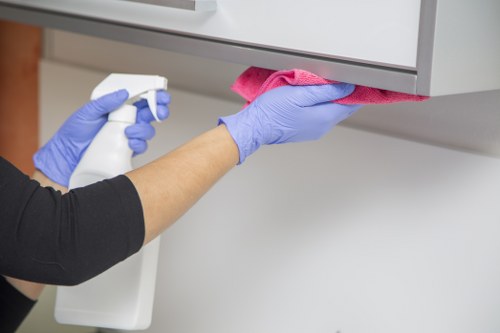
Many people try to handle upholstery cleaning themselves using supermarket sprays, steam cleaners, or homemade mixtures. While light maintenance can be fine, DIY methods are not always the safest choice. A product that works on one fabric may stain, bleach, or distort another. In some cases, even plain water can leave rings or marks if it is not used carefully.
Over-scrubbing is one of the biggest mistakes. Aggressive rubbing can spread stains, damage fibers, and make a spot more noticeable. It can also create texture changes that are hard to reverse. Professional upholstery cleaning is designed to avoid that problem by using measured techniques, controlled moisture, and fabric-appropriate tools.
Another issue is residue. Some household cleaners leave sticky deposits behind, which can attract more dirt over time. Instead of improving the situation, the fabric may start to look dirty again sooner. Professional upholstery cleaning aims to remove soil rather than simply masking it. That difference matters when you want long-lasting results.
How Often Should Upholstery Cleaning Be Done?
The right upholstery cleaning schedule depends on lifestyle, fabric type, and room usage. For a typical household, professional upholstery cleaning once every 12 to 24 months is often a good starting point. However, homes with pets, allergies, or heavy use may benefit from more frequent service. In commercial environments, the need for upholstery cleaning may be even more regular due to traffic volume.
There are also seasonal factors to consider. During allergy season, upholstery cleaning can help reduce dust and pollen buildup. After winter months, it can freshen fabrics that have absorbed indoor heating odors. After major gatherings, parties, or renovations, furniture may also need additional attention. Scheduling upholstery cleaning at sensible intervals helps keep maintenance from becoming overwhelming.
Routine care between professional visits makes a difference. Vacuuming cushions, blotting spills quickly, and rotating seating cushions can help extend the results of upholstery cleaning. These simple habits reduce the amount of dirt that settles in the fabric and improve overall furniture condition over time.
Basic Home Maintenance Tips
- Vacuum upholstery weekly using a soft brush attachment.
- Blot spills immediately instead of rubbing.
- Keep pets off furniture when possible, or use washable covers.
- Rotate and fluff cushions to distribute wear evenly.
- Check manufacturer cleaning instructions before applying any product.
Choosing the Right Upholstery Cleaning Service
Selecting a service for upholstery cleaning should involve more than just comparing prices. You want a provider that understands fabric care, stain behavior, and safe cleaning chemistry. A professional company should inspect your furniture, explain the process clearly, and recommend the most appropriate method for the material. This helps ensure the upholstery cleaning delivers results without unnecessary risk.
It is a good idea to ask about experience with your specific furniture type. For example, upholstery cleaning for a synthetic sectional is different from treating antique dining chairs or designer lounge seating. A well-trained technician will recognize these differences and adapt the process accordingly. They should also be able to identify cleaning codes and discuss drying expectations.
Communication matters just as much as equipment. If a company is vague about methods, vague about fabric safety, or unwilling to explain stain limitations, that may be a warning sign. Reliable upholstery cleaning providers are usually happy to discuss realistic outcomes, drying time, and aftercare recommendations.
Questions Worth Asking Before Booking
- What cleaning methods do you use for my fabric type?
- Do you inspect cleaning codes before starting?
- How long will the furniture take to dry?
- Can you treat pet odors or set-in stains?
- What should I do before and after the appointment?
Commercial Upholstery Cleaning for Offices and Public Spaces
Businesses often underestimate the importance of upholstery cleaning, yet the condition of seating has a strong effect on first impressions. Office chairs, lobby sofas, restaurant booths, and conference room seating all contribute to the look and feel of a workplace. When upholstery is clean, the entire space feels more professional and better maintained. That is one reason upholstery cleaning is such a valuable service for commercial properties.
Commercial upholstery cleaning can also support hygiene standards. Shared seating naturally collects oils, dirt, and germs from repeated use. Regular cleaning helps reduce buildup and keeps fabrics looking uniform across the space. In customer-facing environments, this can make visitors feel more comfortable and confident in the business.
Scheduled maintenance is especially important in business settings. Rather than waiting for stains to become visible, many companies benefit from a recurring upholstery cleaning plan. This helps maintain consistency, reduces disruption, and protects furnishings from early deterioration. For property managers, it is also a smart way to preserve asset value.
Spot Cleaning Versus Full Upholstery Cleaning
Spot cleaning is useful for isolated spills, but it is not the same as a full upholstery cleaning service. Spot treatment addresses a specific area, while full cleaning tackles the entire piece of furniture. If only one section is cleaned, the rest of the fabric may still hold dirt, odors, or discoloration. This can create uneven results that are noticeable in good lighting.
Full upholstery cleaning is usually the better choice when the piece has widespread soiling, general dullness, or recurring odors. It removes more than the visible mark; it targets the soil hidden deeper in the fibers. That is why a full upholstery cleaning service often restores a more uniform color and texture than a quick stain-only fix.
Of course, both methods have their place. Spot cleaning can buy time between appointments, while full upholstery cleaning delivers deeper renewal. If you are unsure which approach your furniture needs, a professional inspection can help you choose the most efficient and effective option.
When Spot Cleaning May Be Enough
- A fresh spill that has not spread
- A tiny mark on an otherwise clean piece
- Light surface dust that can be removed carefully
- Minor food residue caught early
Tips to Keep Upholstery Cleaner for Longer
After professional upholstery cleaning, a few habits can help you preserve the results. Use throws or washable covers in high-traffic areas. Keep food and drinks away from light-colored furniture when possible. Vacuum regularly, especially around seams and cushions where debris collects. These small actions support the benefits of upholstery cleaning and reduce the speed at which dirt returns.
Another useful tip is to manage indoor air quality. Better ventilation, routine dusting, and clean flooring all contribute to slower soil buildup on fabrics. Since upholstery attracts particles from the surrounding environment, keeping the room itself cleaner helps the furniture stay cleaner too. That means your upholstery cleaning investment goes further.
Prompt spill response is critical. The faster a spill is blotted, the less likely it is to become a permanent stain. Keep a clean cloth nearby and use a gentle, blotting motion instead of pushing the liquid deeper into the material. This simple step can make your next upholstery cleaning appointment much more successful.
The Value of Professional Upholstery Cleaning for a Healthier, Better-Looking Space
Whether you are caring for a favorite sofa, refreshing office seating, or maintaining furniture in a rental property, upholstery cleaning delivers practical benefits that are easy to notice. It improves appearance, supports a cleaner environment, and helps protect the life of your furniture. For many people, the transformation after upholstery cleaning is impressive enough to make old pieces feel new again.
In today’s busy homes and workplaces, it is easy to overlook the amount of wear fabric furniture handles. But upholstery cleaning addresses that hidden buildup before it becomes a larger issue. It helps maintain comfort, keeps rooms more inviting, and reduces the visual signs of everyday living. That combination of benefits makes upholstery cleaning an excellent part of routine property care.
If your chairs or sofas are looking dull, smelling stale, or showing signs of heavy use, now is the right time to act. Contact us today to discuss your upholstery cleaning needs, or book your service now to give your furniture the refreshed look it deserves. With the right care, your upholstery can continue to look good, feel comfortable, and serve your space well for years to come.