Regular Cleaning in Everyday Spaces: Why It Matters, How It Works, and What to Expect
Regular cleaning is one of the simplest ways to protect the comfort, appearance, and long-term value of any space. Whether you are maintaining a home, apartment, office, retail location, or shared building, consistent cleaning creates a healthier environment and reduces the stress that comes with clutter, dust, and buildup. When cleaning is done on a steady schedule, it is easier to preserve surfaces, improve indoor air quality, and keep your surroundings looking fresh day after day.
Many people think of cleaning as a one-time task, but regular cleaning is really a habit that supports better living and working conditions. It helps prevent grime from becoming difficult to remove, reduces the spread of allergens, and makes daily routines feel smoother. For busy households and business owners alike, maintaining a regular cleaning plan can save time, lower repair costs, and improve the overall experience of the space.
Beyond appearance, regular cleaning plays an important role in health, productivity, and peace of mind. A clean environment can reduce stress, support concentration, and create a more welcoming atmosphere for family members, clients, employees, or guests. In this article, we will explore the benefits, best practices, cleaning frequency, and practical strategies that make regular cleaning effective and manageable.
Understanding the Value of Regular Cleaning

At its core, regular cleaning means performing cleaning tasks consistently rather than waiting until dirt, dust, and clutter build up. This steady approach makes every task easier and more effective. For example, wiping kitchen counters daily prevents sticky residue from becoming hardened, while vacuuming on a schedule helps protect carpets and flooring from deep-seated debris.
One of the greatest advantages of regular cleaning is that it creates momentum. Small, frequent cleaning actions are easier to fit into a routine than large, exhausting cleaning projects. Over time, those small actions add up, making the entire space easier to manage and maintain. That is why many people find that a regular cleaning schedule is less overwhelming than reactive cleaning.
There is also a strong connection between cleanliness and perception. In homes, regular cleaning helps make a space feel calm, organized, and cared for. In commercial settings, it supports a professional image and can influence how customers and employees feel about the business. A clean environment often signals attention to detail, reliability, and respect for the people who use the space.
Health Benefits of Regular Cleaning
Regular cleaning is more than a visual upgrade; it is a practical step toward a healthier environment. Dust, pollen, pet dander, bacteria, and other particles can collect quickly on surfaces and in soft materials. When cleaning is done frequently, these irritants are removed before they have a chance to build up and affect indoor air quality.
For households with children, older adults, or individuals with allergies, regular cleaning can make a noticeable difference in comfort. Vacuuming with a high-quality filter, dusting surfaces, and sanitizing high-touch areas can help reduce exposure to common triggers. This is especially important in kitchens, bathrooms, and bedrooms where cleanliness directly affects daily wellbeing.
In workplaces, regular cleaning supports better hygiene practices and can help reduce the spread of germs on shared surfaces such as desks, handles, switches, and communal equipment. A clean workspace can contribute to fewer disruptions and a more comfortable environment for everyone present. Regular cleaning is therefore an important part of maintaining both cleanliness and wellness.
Common health-related cleaning priorities
- Dusting shelves, vents, and surfaces to reduce allergens
- Disinfecting high-touch areas such as knobs and switches
- Vacuuming carpets and rugs to remove trapped debris
- Cleaning bathrooms to control moisture and buildup
- Wiping kitchen surfaces to limit residue and contamination
How Regular Cleaning Supports Property Care
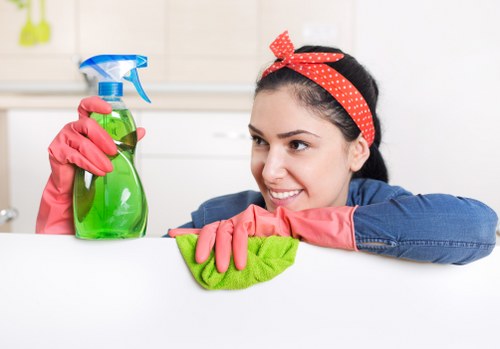
Regular cleaning helps preserve the condition of floors, furniture, fixtures, and appliances. Dirt and debris may seem harmless at first, but over time they can scratch surfaces, stain fabrics, and wear down finishes. When cleaning is routine, these materials are removed before they cause lasting damage.
For instance, carpet fibers can trap grit that slowly breaks them down, while hard floors may lose their shine if dust and debris are left behind. In kitchens, grease can accumulate on cabinets and appliances, making future cleaning more difficult. Regular cleaning helps protect these investments and extends the life of the items you use every day.
This long-term protection is one reason property managers, homeowners, and business owners often prioritize structured maintenance plans. A consistent cleaning schedule can reduce the need for repairs, repainting, refinishing, and replacements. In that sense, regular cleaning is not just a chore; it is a form of preventive care that supports asset value.
Examples of property benefits
- Reduced wear on flooring and upholstery
- Lower risk of stains becoming permanent
- Better appearance of painted surfaces and fixtures
- Less buildup in appliances and vents
- Improved longevity of everyday materials
Building an Effective Regular Cleaning Routine
Creating a cleaning routine that actually works begins with understanding the needs of the space. A family home, for example, may require more frequent kitchen and bathroom cleaning, while an office may need daily attention to shared surfaces and floors. The key is to create a schedule that is realistic, repeatable, and suited to the level of use.
Many people benefit from dividing tasks into daily, weekly, and monthly categories. Daily tasks are usually quick and focus on maintaining order. Weekly tasks cover deeper attention to floors, bathrooms, and living areas. Monthly tasks may include detailed dusting, appliance care, and hard-to-reach spots. This structure keeps regular cleaning manageable and prevents tasks from piling up.
A routine also works best when responsibilities are clearly assigned. In a household, this might mean splitting chores among family members. In a business, it may involve assigning certain tasks to staff and scheduling professional cleaning for areas that need special care. Clear planning makes regular cleaning more consistent and reduces confusion about what should be done and when.
Simple scheduling tips
- Start with the highest-traffic areas first
- Use short cleaning blocks instead of long sessions
- Keep supplies in convenient locations
- Set reminders for repeat tasks
- Adjust the schedule based on seasonal needs
Regular Cleaning for Homes

In residential spaces, regular cleaning supports comfort, organization, and family wellbeing. Kitchens, bathrooms, entryways, and living rooms usually need the most frequent attention because they see heavy daily use. When these areas are cleaned consistently, the entire home tends to feel more relaxing and easier to maintain.
Regular cleaning at home also helps reduce the feeling of overwhelm that can come from clutter and unfinished chores. A quick wipe-down of counters, a daily sweep of crumbs, or a weekly vacuum session may seem small, but those habits create a strong sense of order. Regular cleaning can make a home feel more inviting for both residents and visitors.
For families with pets or young children, frequent cleaning can be especially helpful. Pet hair, muddy footprints, toys, spills, and food crumbs can accumulate quickly. A consistent cleaning routine keeps these issues under control and helps create a safer, more pleasant environment. It also means that larger cleaning projects become less demanding over time.
Household areas that benefit most
- Kitchen counters, sinks, and appliance surfaces
- Bathrooms, especially toilets, tubs, and mirrors
- Entryways where dirt and outdoor debris enter
- Living rooms with heavy foot traffic
- Bedrooms where dust can collect on furniture and textiles
Regular Cleaning in Offices and Workplaces
Workplaces rely on regular cleaning for more than appearance. Employees and visitors notice the condition of desks, floors, break rooms, and restrooms immediately. A clean workspace can create a more professional impression and support a better day-to-day experience for everyone.
In office settings, regular cleaning can also help reinforce organizational culture. When a workplace is clean and orderly, it often encourages employees to keep their own areas tidy and follow shared standards. This can improve morale and reduce the distractions caused by clutter or unpleasant surroundings.
Different types of businesses may have different cleaning priorities. A medical office may need strict sanitation protocols, while a retail store may need frequent floor care and display cleaning. A well-planned regular cleaning routine should reflect the type of activity, the number of people using the space, and any industry-specific requirements.
Office cleaning priorities
- Sanitize desks, keyboards, phones, and shared equipment
- Vacuum or mop floors regularly
- Empty trash and recycling bins on schedule
- Clean restrooms and break areas thoroughly
- Maintain reception and client-facing areas
What Makes Regular Cleaning Different from Deep Cleaning?

Regular cleaning focuses on routine maintenance, while deep cleaning targets harder-to-reach places and built-up grime. Both are important, but they serve different purposes. Regular cleaning keeps a space presentable and hygienic on a day-to-day basis. Deep cleaning goes further by addressing areas that are not part of the usual schedule.
For example, regular cleaning might include wiping countertops, vacuuming floors, and cleaning bathroom sinks. Deep cleaning could involve washing baseboards, scrubbing behind appliances, or cleaning inside vents and cabinets. The two approaches work best together, with regular cleaning preventing the kind of buildup that makes deep cleaning more difficult.
Many property owners choose to combine both methods. By maintaining a consistent regular cleaning routine, they reduce the frequency and intensity of deep cleaning needs. This creates a more efficient overall maintenance plan and helps keep the space in better condition throughout the year.
Key differences at a glance
- Regular cleaning: Frequent, surface-level maintenance
- Deep cleaning: Detailed cleaning of overlooked or hidden areas
- Regular cleaning: Prevents buildup from forming
- Deep cleaning: Removes existing heavy dirt or grime
Choosing the Right Cleaning Products and Tools
Effective regular cleaning depends on using the right products and tools for each task. Microfiber cloths, mops, vacuums, disinfectants, and all-purpose cleaners can make routine cleaning faster and more effective. When selected thoughtfully, supplies should support both safety and efficiency.
It is important to consider the materials being cleaned. Some surfaces require gentle products to avoid damage, while others need stronger solutions to remove buildup or bacteria. Reading labels and following usage instructions helps ensure that regular cleaning is both effective and safe. Proper ventilation also matters when using sprays or stronger chemicals.
Eco-friendly cleaning products have become popular for households and businesses that want to reduce harsh chemical exposure. These products can be a good fit for regular cleaning because they are often designed for frequent use. Choosing reusable cloths, refillable containers, and efficient tools can also support a more sustainable routine.
Helpful cleaning supply checklist
- Microfiber cloths for dusting and wiping
- All-purpose cleaner for everyday surfaces
- Disinfectant for high-touch areas
- Vacuum cleaner with suitable attachments
- Mop and bucket for hard flooring
- Scrub brushes for sinks, grout, and corners
Time-Saving Habits That Make Regular Cleaning Easier
One of the biggest reasons people skip cleaning is that they feel short on time. The good news is that regular cleaning becomes much easier when it is built into the rhythm of the day. Small habits reduce the need for long weekend cleanups and help keep the space consistently presentable.
One effective method is to clean as you go. This approach works especially well in kitchens, bathrooms, and shared spaces. Instead of waiting for messes to accumulate, handle them right away. Wiping a spill immediately or returning items to their proper place can prevent bigger problems later. This is where regular cleaning becomes a lifestyle rather than a burden.
Another useful habit is to use transition moments. For example, take a few minutes after breakfast to reset the kitchen or spend ten minutes at the end of the workday tidying a desk. These short actions help maintain order without requiring major effort. Over time, they build a stable routine that feels natural.
Practical time-saving strategies
- Use timers to stay focused during quick cleaning sessions
- Keep cleaning supplies close to where they are used
- Break large tasks into smaller steps
- Declutter before cleaning surfaces
- Set a recurring day for routine maintenance
Seasonal Adjustments for Regular Cleaning
Regular cleaning should not remain exactly the same throughout the year. Different seasons bring different challenges, from pollen in spring to mud and moisture in rainy months. By adjusting the routine seasonally, you can keep the space cleaner and more comfortable all year long.
In spring and summer, windows may need more attention, and outdoor dirt can be tracked inside more often. In fall and winter, entryways may require extra care because of leaves, salt, slush, and wet shoes. Regular cleaning becomes more effective when it reflects real-life conditions rather than a fixed, unchanging checklist.
Seasonal cleaning adjustments also apply to storage, ventilation, and fabric care. Rotating rugs, washing heavy blankets, and cleaning vents can improve freshness and comfort. These small changes make regular cleaning more responsive and more useful, especially in homes and workplaces that experience heavy seasonal traffic.
How Regular Cleaning Improves Mental Clarity and Comfort
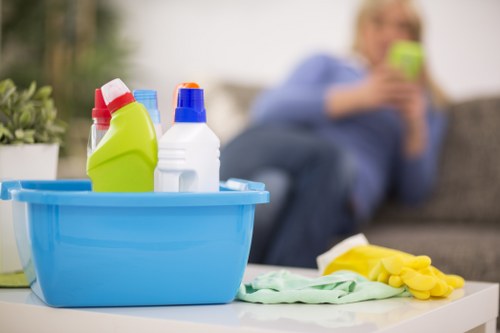
A clean space is often easier to think in. While cleanliness does not solve every challenge, it can reduce visual distractions and create a greater sense of control. Regular cleaning helps keep surfaces clear, pathways open, and shared areas more organized, which can support focus and relaxation.
Clutter and mess tend to create mental noise. When spaces are consistently maintained, people often feel calmer and more able to concentrate. This is one reason regular cleaning is linked not only to physical hygiene but also to emotional comfort. A well-kept environment can feel more welcoming, stable, and productive.
For many people, the benefits show up in daily routines. Morning preparation becomes easier when items are where they belong. Entertaining guests feels less stressful when the space is already tidy. Work tasks can feel more manageable when the environment supports concentration. In short, regular cleaning contributes to a smoother, more balanced lifestyle.
Comfort and clarity benefits
- Less visual clutter and distraction
- More welcoming living and working spaces
- Easier movement through rooms and hallways
- Greater sense of order and control
- Reduced stress during unexpected visitors or busy periods
When to Consider Professional Regular Cleaning Services
Some spaces can be maintained easily with an in-house routine, while others benefit from professional support. Busy households, large offices, medical settings, and high-traffic commercial areas often need more thorough and consistent care than a basic routine can provide. Professional regular cleaning can fill that gap and ensure standards remain high.
Hiring a service can be especially helpful when consistency matters but time is limited. Professional cleaners bring experience, efficient methods, and specialized tools that can improve results. They can also handle tasks that require more detail or expertise, allowing you to focus on other priorities while still maintaining a clean environment. Regular cleaning services can be scheduled weekly, biweekly, or monthly depending on need.
The decision to bring in professional help may also depend on the size of the property and the complexity of the cleaning needs. If the goal is to keep a space consistently clean without falling behind, professional support may be the most practical solution. For many people, it is the easiest way to protect time, energy, and property value while keeping standards high. Book your service now.
Signs professional support may help
- Cleaning tasks are frequently postponed
- The property is large or heavily used
- Specialized sanitation is needed
- Deep buildup appears despite routine effort
- There is a desire for a more polished, reliable result
Best Practices for Long-Term Success
To make regular cleaning truly sustainable, it helps to keep the routine simple, flexible, and realistic. Start with the most visible and frequently used spaces, then expand the schedule as needed. This approach prevents frustration and makes it easier to stay consistent over time.
It is also helpful to review the routine periodically. A cleaning plan that worked during one season or phase of life may not be ideal later. Families grow, schedules change, and business usage patterns shift. Updating the routine ensures that regular cleaning continues to meet actual needs rather than outdated ones.
Finally, remember that consistency matters more than perfection. A practical routine, followed regularly, delivers better long-term results than an ambitious plan that is difficult to maintain. By staying focused on simple habits, you can create a cleaner, healthier, and more comfortable environment without unnecessary stress.
Long-term success checklist
- Keep routines realistic and easy to follow
- Focus on consistency over occasional intensity
- Adjust tasks based on use and season
- Use quality tools and safe products
- Seek professional support when needed
Regular cleaning is one of the most effective ways to protect the spaces where you live and work. It supports hygiene, comfort, property care, and peace of mind. Whether you manage a home, office, or commercial property, a well-maintained cleaning routine can make daily life easier and more enjoyable.
If you want a space that looks better, feels healthier, and stays easier to manage, make regular cleaning a priority. Start with small habits, build a reliable schedule, and stay consistent. Contact us today to take the next step toward a cleaner, more organized environment, or Book your service now.