Oven Cleaning: A Practical, SEO-Friendly Approach to a Sparkling Kitchen
Oven cleaning is one of those household tasks that many people delay until grease, smoke, and burnt-on residue make it impossible to ignore. Yet keeping your oven clean is about far more than appearances. Regular oven cleaning improves cooking performance, reduces unpleasant odours, helps your appliance last longer, and creates a safer, more hygienic kitchen environment. Whether you cook every day or only occasionally, a clean oven makes every meal feel a little more enjoyable.
If you have been searching for oven cleaning tips, oven cleaning methods, or the best way to handle stubborn buildup, you are in the right place. This article explains how oven cleaning works, why it matters, what tools and products are commonly used, and how to maintain a cleaner oven for longer. It also explores when professional oven cleaning may be the smarter choice, especially if your appliance has heavy grease, baked-on spills, or hard-to-reach areas.
Oven cleaning may sound like a simple job, but the process varies depending on the type of oven, the level of dirt, and the cleaning products you choose. From self-cleaning cycles to manual scrubbing and eco-friendly solutions, there are several ways to restore a greasy oven to a fresher, more efficient condition.
Why Oven Cleaning Matters
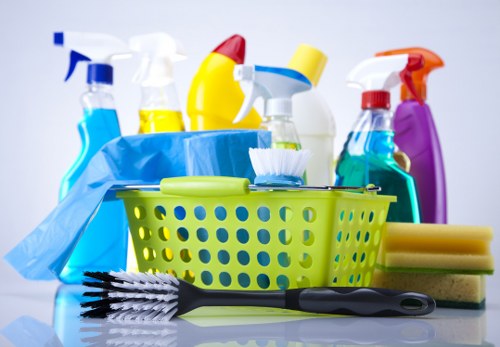
Oven cleaning matters because residue inside your appliance can affect both food quality and safety. Grease, spilled sauce, cheese drips, and burnt crumbs can smoke during cooking, giving food a bitter taste and unpleasant smell. Over time, heavy buildup can even increase the risk of flare-ups or uneven heating. A consistent oven cleaning routine helps you avoid these issues and keeps your kitchen running more smoothly.
Another reason oven cleaning is important is efficiency. When an oven is coated in grime, it may need more energy to maintain heat properly. Dirt on heating elements, racks, and glass doors can also make it harder to monitor cooking progress. In practical terms, a clean oven often performs better and feels easier to use. That is why many homeowners see oven cleaning as part of regular kitchen maintenance rather than an occasional chore.
Clean ovens also support better hygiene. Food residue attracts bacteria, pests, and lingering odours if left for too long. While a dirty oven does not necessarily mean your meals are unsafe, regular cleaning helps reduce the risk of contamination and creates a more pleasant cooking space overall.
Signs Your Oven Needs Cleaning

There are several clear signs that your oven needs attention. If you notice smoke when preheating, dark stains on the oven door, or burnt smells even when no food is inside, it is probably time for oven cleaning. In many homes, visible grease on the interior walls is the biggest clue that buildup has become significant.
Other signs include food taking longer to cook, uneven browning, and spill marks that have hardened after repeated heating. If your oven’s glass door is cloudy or coated in grease, this can also make it difficult to check food while it cooks. In some cases, oven cleaning is needed simply because the appliance has not been deep-cleaned in months.
It is useful to think about oven cleaning on a schedule. Rather than waiting for a dramatic mess, look for small warning signs. A few minutes of maintenance after a spill can prevent hours of heavy scrubbing later. That approach makes oven cleaning much easier and less stressful.
Types of Oven Cleaning Methods
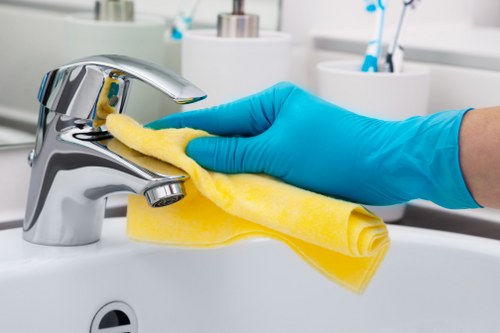
There is no single method that works for every oven. The right oven cleaning approach depends on the appliance design, the level of buildup, and your personal preference for natural or chemical products. Understanding the main options can help you decide how to tackle the job safely and effectively.
One common method is manual oven cleaning. This involves removing racks, applying a cleaner or paste, and scrubbing away grime by hand. It can be time-consuming, but it gives you more control over stubborn spots. Another option is self-cleaning ovens, which use very high temperatures to burn residue into ash. This can reduce manual effort, although it may create strong odours and is not suitable for every household.
Steam-assisted oven cleaning is another popular choice. By using moisture and heat, steam can soften debris and make wiping easier. Many people prefer this method because it is less abrasive than heavy-duty scrubbing. For especially dirty appliances, professional oven cleaning services may combine degreasers, soaking solutions, and specialized tools for a more thorough result.
Preparing for Oven Cleaning
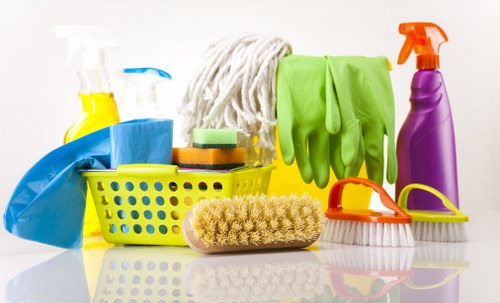
Before you begin oven cleaning, preparation is essential. Start by turning the appliance off and allowing it to cool completely. Remove racks, trays, and any loose accessories so you can reach all the surfaces inside. If you are using commercial cleaning products, read the instructions carefully and make sure your kitchen is well ventilated.
Safety should always come first. Wear gloves, and avoid mixing chemicals unless the product labels explicitly say it is safe. If your oven has a self-cleaning mode, check the manual before using it. Some manufacturers recommend removing accessories or opening windows due to heat and fumes.
It also helps to gather the right supplies before starting. Typical oven cleaning tools include microfiber cloths, non-scratch sponges, a scraper designed for appliances, a soft brush, warm water, and either a commercial oven cleaner or a natural paste. Having everything nearby saves time and keeps the process organized.
Step-by-Step Manual Oven Cleaning
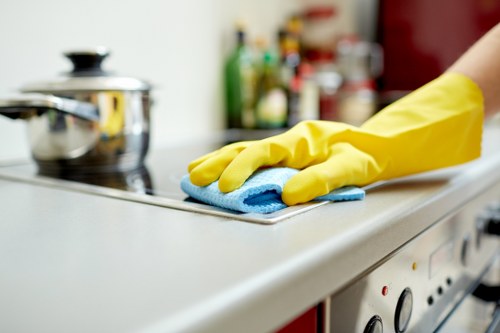
Manual oven cleaning is still one of the most reliable ways to handle a dirty appliance. Although it takes some effort, it is often the best method for removing baked-on residue and restoring the interior to a cleaner condition. Below is a practical process many homeowners use when deep-cleaning an oven.
First, take out the oven racks and soak them in warm, soapy water. If they are heavily coated with grease, a degreasing solution can help loosen the grime. While the racks soak, wipe away loose crumbs from the oven floor and walls. This initial step makes the rest of the oven cleaning process more effective.
Next, apply your chosen cleaner to the interior surfaces. Some people prefer a commercial product formulated for oven cleaning, while others use a paste made from baking soda and water. Let the cleaner sit for the recommended time so it can break down buildup. Then use a soft sponge or cloth to gently scrub the affected areas. Avoid using anything too abrasive on enamel or glass surfaces, as scratches can make future cleaning harder.
Focus on Problem Areas
Pay special attention to corners, rack supports, door edges, and areas near the heating elements. These places often trap grease and crumbs. If some residue remains after the first pass, reapply the cleaner and allow more time for it to work. Patience is often the secret to successful oven cleaning, especially when the mess has built up over several cooking cycles.
After scrubbing, wipe down the interior with a damp cloth to remove cleaner residue. Rinse and dry the racks before placing them back inside. Finally, clean the glass door and exterior surfaces so the entire appliance looks refreshed. A finished oven cleaning job should leave the oven free of odours, visible grime, and sticky residue.
Natural Oven Cleaning Options
Many homeowners prefer natural oven cleaning solutions because they are simple, affordable, and less harsh than industrial-strength products. Baking soda and vinegar are two of the most common ingredients used in homemade cleaning methods. Baking soda works well as a mild abrasive, while vinegar can help loosen certain types of grime and neutralize odours.
For a natural oven cleaning paste, mix baking soda with a small amount of water until it forms a spreadable texture. Apply it to the interior surfaces, avoiding heating elements and sensitive components. Let it sit for several hours or overnight if possible. The next day, wipe the paste away with a damp cloth. Some spots may need extra attention, but this method often softens residue enough to make scrubbing much easier.
You can also use lemon and warm water to freshen the oven while loosening light grease. Natural oven cleaning is especially appealing for people who want fewer chemical fumes in the kitchen. However, it is worth noting that very thick carbonized buildup may still require a stronger cleaner or professional treatment. A natural cleaning method is ideal for maintenance and moderate mess, but not always enough for severe grime.
How to Clean Oven Racks and Glass Doors
Oven racks often collect grease faster than the rest of the appliance because they sit directly under food spills and drips. For effective oven cleaning, remove the racks and soak them in a tub, sink, or large container filled with warm water and dish soap. Adding baking soda can improve the soaking process. After several hours, scrub the racks with a sponge or brush and rinse thoroughly.
Glass doors require a gentle touch during oven cleaning. Use a non-scratch cloth or sponge and avoid harsh metal tools unless the manufacturer says they are safe. A paste of baking soda and water can work well on cloudy or burnt-on areas. Let it sit, then wipe it away slowly to reveal a clearer surface. A clean glass door not only looks better but also helps you monitor food without repeatedly opening the oven.
For best results, dry all components completely before reassembling the oven. Moisture left behind can create streaks or encourage smells once the oven is heated again. Clean racks and clear glass are small details, but they make a big difference in the overall appearance and usability of the appliance.
Professional Oven Cleaning: When It Makes Sense
Sometimes professional oven cleaning is the most practical solution. If your oven has thick grease deposits, years of buildup, or stubborn burnt-on food that does not respond to standard methods, a professional service can save time and effort. Trained cleaners typically use specialized products and techniques that are designed to handle difficult grime without damaging the appliance.
Professional oven cleaning can also be helpful for people with busy schedules, mobility limitations, or little experience with deep cleaning appliances. Instead of spending hours scrubbing, you can let experts handle the work and return to a cleaner oven with less hassle. In many cases, this can be especially valuable before holidays, family gatherings, or periods of frequent cooking.
While professional oven cleaning is not always necessary, it can be a smart investment for maintenance and convenience. If your appliance is expensive, heavily used, or showing signs of poor performance, expert attention may help extend its life and improve day-to-day cooking results.
Benefits of Choosing a Professional Service
- More thorough removal of grease and baked-on residue
- Reduced risk of scratching or damaging surfaces
- Time savings for busy households
- Improved oven appearance and smell
- Better results for neglected appliances
Oven Cleaning Mistakes to Avoid
Even with the best intentions, it is easy to make mistakes during oven cleaning. One of the most common errors is using a metal scourer or harsh scraper on delicate surfaces. This can scratch enamel, damage glass, and make future cleaning more difficult. Another mistake is applying cleaner to hot surfaces, which can create fumes and reduce product effectiveness.
Many people also forget to remove loose food debris before starting. That extra step may seem minor, but it prevents grime from spreading and allows the cleaner to focus on stubborn buildup. Overusing product is another issue. In oven cleaning, more is not always better. Excess cleaner can leave residue behind and create unwanted smells when the oven is next used.
Avoid rushing the process. Good oven cleaning often depends on dwell time, careful wiping, and repeating steps where needed. If the mess is heavy, give the cleaner time to do its work rather than forcing the issue with aggressive scrubbing.
How Often Should You Clean Your Oven?
The right oven cleaning schedule depends on how often you cook. A household that roasts, bakes, and broils several times a week will likely need more frequent cleaning than someone who uses the oven only occasionally. As a general rule, wiping up fresh spills right away and doing a deeper oven cleaning every few months can prevent heavy buildup.
If you bake dishes that bubble over easily or roast fatty foods often, you may need to clean your oven more frequently. Spot-cleaning after spills is especially helpful because it stops residue from hardening under repeated heat. In this way, consistent maintenance is easier than dealing with a major restoration later.
It can also help to create a simple routine. For example, you might wipe the interior monthly, wash the racks every few months, and inspect the oven door glass regularly. This steady approach keeps oven cleaning manageable and helps your appliance stay in better condition all year long.
Simple Maintenance Habits
- Wipe spills as soon as the oven cools
- Use oven liners only if approved by the manufacturer
- Check the door glass for splatter marks
- Clean racks before grease hardens
- Ventilate the kitchen during heavy cooking
Eco-Friendly Oven Cleaning Tips
Eco-friendly oven cleaning has become increasingly popular because many homeowners want effective results without relying on harsh chemicals. A greener approach often starts with prevention. The less grease and food buildup you allow to accumulate, the easier it is to clean with mild ingredients. That means small habits can reduce the need for heavy-duty products later.
Using baking soda, vinegar, lemon juice, and warm water can be enough for routine oven cleaning. Microfiber cloths also help because they trap residue efficiently and can be reused many times. If you do choose a commercial product, look for one that is designed for lower-fume use and follow the label carefully. Eco-friendly oven cleaning is not only better for the environment; it can also be more comfortable in a busy kitchen.
Another useful strategy is to cook more mindfully. Placing trays under bubbling dishes, covering food when appropriate, and avoiding overfilling pans can reduce splatter. These small habits support cleaner cooking and make oven cleaning less frequent and less demanding.
Oven Cleaning for Different Oven Types
Not all ovens require the same care. Conventional ovens, fan-assisted ovens, microwave-combination ovens, and self-cleaning models each have specific cleaning needs. Understanding your appliance type helps you choose the safest and most effective oven cleaning method.
Self-cleaning ovens usually use a high-heat cycle to turn residue into ash. While this can be convenient, it is not suitable for all situations. Some owners still prefer manual oven cleaning because it gives them more control and avoids strong heat or smells. Steam ovens and combination appliances may need gentler methods to protect seals, sensors, and electronic components.
If you are unsure what your oven can handle, check the manufacturer’s instructions before starting. That small step can prevent damage and help you choose the right oven cleaning approach. Knowing your oven type is just as important as choosing the right products.
Creating a Cleaner Kitchen Routine
Oven cleaning becomes easier when it is part of a wider kitchen routine. A tidy cooking area tends to stay cleaner overall, which means less grease buildup in the oven and on nearby surfaces. Wiping counters, cleaning stovetops, and emptying crumbs from trays all contribute to a more organized cooking space.
It can also help to schedule short cleaning sessions rather than waiting for a big deep-clean day. A quick 10-minute check after messy cooking can be enough to catch spills before they harden. This habit supports regular oven cleaning and reduces the chance of unpleasant surprises later.
For busy households, a routine is often the difference between a quick wipe-down and a long, frustrating scrub. The more consistent you are, the easier oven cleaning becomes. In the long run, that saves time, supports appliance performance, and makes the kitchen more pleasant to use.
When to Book Help
If your oven has persistent odours, severe staining, or thick grease that will not shift, it may be time to book your service now. Professional oven cleaning can restore the appliance efficiently and help you avoid unnecessary stress. If you want a cleaner, fresher oven without spending your weekend scrubbing, contact us today and take the next step toward a better kitchen environment.
Final Thoughts on Oven Cleaning
Oven cleaning is one of the most valuable home maintenance tasks you can do for your kitchen. It improves hygiene, helps your appliance work efficiently, and creates a better cooking experience overall. Whether you choose manual scrubbing, natural methods, self-cleaning functions, or professional oven cleaning, the key is consistency. The more regularly you maintain your oven, the easier each cleaning session becomes.
By paying attention to spills early, using safe cleaning practices, and choosing the right method for your appliance, you can keep the oven in excellent shape for longer. A clean oven is not just about appearance; it is about performance, safety, and everyday comfort. If your appliance is overdue for attention, now is a great time to act. Book your service now or start your oven cleaning routine today for a fresher, more efficient kitchen.