Commercial Cleaning for Modern Businesses: A Practical, Professional Approach
Commercial cleaning is more than a background task; it is a core part of how businesses protect health, support productivity, and create a strong first impression. Whether you manage an office, retail store, medical suite, warehouse, or hospitality venue, commercial cleaning helps maintain a space that feels safe, organized, and ready for daily operations. In a competitive market, cleanliness is no longer optional. It affects reputation, staff morale, customer confidence, and even compliance.
Many organizations look for commercial cleaning services because they want reliable results without the burden of handling every detail in-house. From daily janitorial work to deep sanitization and specialty floor care, a well-planned cleaning program can reduce risks and improve the overall experience for employees and visitors. Businesses that invest in professional commercial cleaning often benefit from fewer disruptions, better indoor air quality, and a more polished brand image.
In this article, we will explore what commercial cleaning includes, why it matters, how it supports different industries, and what to look for when selecting a provider. You will also learn how customized cleaning solutions can improve efficiency and help your facility stay in top condition year-round. If your goal is to keep a workplace cleaner, healthier, and more presentable, this topic is worth your attention.
What Commercial Cleaning Means in Today’s Business Environment

Commercial cleaning refers to cleaning services designed specifically for business and institutional spaces rather than private homes. While residential cleaning focuses on households, commercial cleaning addresses higher foot traffic, broader safety concerns, and more complex maintenance needs. Businesses often require cleaning schedules that align with operating hours, special equipment for large areas, and trained staff who understand different surfaces, materials, and sanitation requirements.
These services can cover a wide range of tasks, including dusting, vacuuming, mopping, disinfection, restroom cleaning, trash removal, window cleaning, and floor maintenance. In some cases, commercial cleaning also includes specialized services such as carpet extraction, pressure washing, post-construction cleanup, and hard-surface restoration. The goal is not only to make a space look neat, but also to support hygiene and long-term asset care.
For many organizations, the most valuable part of commercial cleaning is consistency. A facility that is cleaned regularly looks better, functions better, and creates fewer complaints from staff or customers. The right service plan can be tailored to the size of the building, the type of business, and the level of traffic it receives.
Why Commercial Cleaning Matters for Business Success
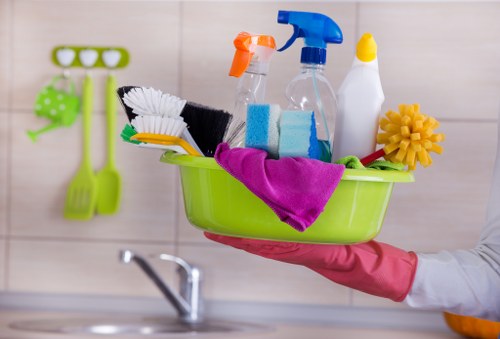
A clean workplace does more than create visual appeal. It influences how people feel when they enter the space, how confidently they perform their duties, and how likely they are to return. Commercial cleaning services help businesses present themselves professionally while reducing the spread of dirt, dust, and germs. That is especially important in shared environments where many people touch the same surfaces throughout the day.
Health and safety are major reasons companies invest in commercial cleaning. Restrooms, break rooms, lobbies, elevators, and high-touch areas can quickly become sources of contamination if they are not properly maintained. Regular cleaning and disinfection can help lower the risk of illness, support cleaner air, and make employees feel more comfortable at work.
There is also a productivity benefit. Workers tend to perform better in orderly spaces because they spend less time dealing with clutter, odors, and distractions. A consistent commercial cleaning routine can improve focus and reduce stress, especially in offices and customer-facing environments. When a building looks and feels well cared for, people notice the difference immediately.
Commercial Cleaning and First Impressions

First impressions are powerful, and cleanliness is often one of the first things a client, tenant, or visitor notices. Smudged glass, dirty floors, or overflowing trash bins can send the wrong message, even if the business performs well in every other area. That is why commercial cleaning is a strategic investment rather than a simple expense.
Businesses in retail, hospitality, healthcare, and office settings rely on commercial cleaning to reinforce trust. A spotless lobby suggests attention to detail. A fresh restroom suggests professionalism. A dust-free reception area suggests care and respect for visitors. These small details shape how the brand is perceived.
When companies prioritize commercial cleaning, they often see stronger customer satisfaction and more confidence from employees. Clean surroundings communicate that the organization values quality, order, and accountability. In crowded markets, that can make a meaningful difference.
Types of Commercial Cleaning Services
Commercial cleaning is not a one-size-fits-all service. Different buildings and industries require different solutions, and a well-structured cleaning plan often includes several service categories. Understanding these options makes it easier to choose the right level of support.
- Janitorial services: Daily or routine cleaning tasks such as trash collection, dusting, vacuuming, and restroom upkeep.
- Deep cleaning: More intensive cleaning for areas that need extra attention, often performed periodically.
- Disinfection services: Targeted sanitation of high-touch surfaces and shared spaces.
- Floor care: Sweeping, mopping, stripping, waxing, buffing, and polishing various floor types.
- Carpet cleaning: Extraction, shampooing, and spot treatment to remove dirt and stains.
- Window cleaning: Interior and exterior glass maintenance for improved appearance and visibility.
- Post-construction cleaning: Removal of dust, debris, and residues after building or renovation projects.
Many providers offer custom packages that combine several of these services. That flexibility allows businesses to choose a commercial cleaning schedule that matches their operations and budget. Some need daily care, while others only need weekly support or seasonal deep cleaning.
Choosing the right mix of services can help keep maintenance costs under control while still achieving a high standard of cleanliness. The best commercial cleaning programs are tailored, efficient, and consistent.
Industries That Benefit from Commercial Cleaning

Almost every business environment can benefit from commercial cleaning, but some industries depend on it more than others. High-traffic and highly regulated facilities require careful attention to cleanliness, sanitation, and presentation.
Office Buildings
Office spaces need regular dusting, trash removal, restroom sanitation, and surface cleaning. Shared desks, conference rooms, and break areas can quickly become untidy without a reliable commercial cleaning schedule. A clean office helps support morale and productivity while reducing distractions.
Retail Stores
Retail environments must always look inviting. Floors, mirrors, shelves, dressing rooms, and entryways should be kept in excellent condition. In retail, commercial cleaning supports sales by making the space more pleasant and trustworthy for shoppers.
Healthcare Facilities
Clinics, dental offices, and medical centers require strict cleanliness standards. Disinfection, sanitation, and attention to high-touch surfaces are essential. Professional commercial cleaning helps reduce contamination risks and maintain a safe environment for patients and staff.
Hospitality Venues
Hotels, event spaces, and restaurants need cleaning services that can handle guest-facing areas, kitchens, restrooms, and back-of-house spaces. Cleanliness affects reviews, repeat visits, and overall brand reputation.
Industrial and Warehouse Spaces
Warehouses and production facilities often need floor care, debris removal, equipment-area cleaning, and dust control. Commercial cleaning in these settings can help improve safety and reduce operational hazards.
How Commercial Cleaning Supports Health and Safety
Health and safety are central reasons businesses invest in commercial cleaning. Surfaces in busy environments collect germs, dust, allergens, and other contaminants throughout the day. Without a structured cleaning plan, these issues can build up quickly. A professional approach helps address common risks before they become bigger problems.
High-touch areas such as door handles, elevator buttons, counters, light switches, and shared equipment require special attention. Commercial cleaning services often include disinfecting these points regularly to help reduce cross-contamination. This is especially important during flu season or in facilities with large numbers of visitors.
Clean floors also matter for safety. Dirt, spills, and clutter can increase the risk of slips, trips, and falls. Proper floor care, prompt spill cleanup, and clear walkways all contribute to a safer workplace. In that sense, commercial cleaning is part of a broader risk management strategy.
Key Elements of an Effective Commercial Cleaning Program
A successful commercial cleaning program is built on planning, consistency, and attention to detail. The best providers do more than tidy up; they create systems that keep a facility clean over time. Several elements play a role in making that happen.
Customized Cleaning Schedules
Not every business needs the same frequency of service. A busy lobby may need daily attention, while a small back office may only require weekly cleaning. A custom plan makes commercial cleaning more efficient and cost-effective.
Trained Cleaning Staff
Professionals should know how to clean different surfaces correctly, use products safely, and manage tasks without disturbing operations. Training also helps ensure consistent results across every visit.
Quality Supplies and Equipment
Modern commercial cleaning often relies on commercial-grade vacuums, floor machines, microfiber tools, and safe cleaning products. Good equipment improves efficiency and can help deliver better outcomes.
Clear Scope of Work
A detailed service plan should define what gets cleaned, how often, and to what standard. That clarity helps both the client and the cleaning provider stay aligned. It also reduces misunderstandings and ensures accountability.
Regular Inspections
Routine inspections are useful for maintaining quality. They help confirm that the commercial cleaning plan is working and identify areas that need adjustment. Over time, this can improve performance and client satisfaction.
Choosing the Right Commercial Cleaning Company
Selecting a provider for commercial cleaning should involve more than comparing prices. A low-cost service may not offer the reliability, flexibility, or quality your business needs. It is important to evaluate experience, services, scheduling options, and communication practices.
Look for a company that understands your industry and can adapt to the unique needs of your facility. For example, healthcare settings often need stronger disinfection protocols, while retail spaces may need more frequent floor care and glass cleaning. The provider should be able to explain how their commercial cleaning process works and what results you can expect.
Reputation, training, and consistency are also important. Ask whether the company uses background-checked staff, follows safety procedures, and provides supervision or quality control. A dependable commercial cleaning partner should reduce stress rather than create it.
- Does the provider offer flexible scheduling?
- Are the services customized to your business type?
- Do they use modern, safe cleaning methods?
- Can they scale services as your needs change?
- Is communication clear and responsive?
Taking time to review these points can help you choose a provider that supports your facility effectively. The right commercial cleaning company will become a trusted part of your operations.
Benefits of Professional Commercial Cleaning Services
Outsourcing cleaning tasks to professionals offers a range of practical benefits. Businesses often discover that commercial cleaning services save time, improve results, and create a better overall environment for everyone who enters the building.
Consistency and Reliability
One of the biggest advantages is dependable results. When a professional team handles commercial cleaning, tasks are completed on schedule and with a consistent standard of quality. That reliability is especially valuable for busy facilities.
Cost Efficiency
Hiring in-house staff for every cleaning need can be expensive. Commercial cleaning services can reduce the need for equipment purchases, supply management, and training. Businesses often find that outsourcing provides a better return on investment.
Improved Appearance
A polished environment can influence customer confidence and employee pride. Clean floors, fresh restrooms, and tidy common areas all contribute to a more professional atmosphere.
Better Focus on Core Operations
When cleaning is handled externally, internal teams can focus more on customer service, sales, production, and other priorities. This is one reason commercial cleaning remains such a popular solution across industries.
Commercial Cleaning Challenges and How to Address Them
Even well-run facilities face cleaning challenges. Heavy traffic, seasonal weather, spills, dust buildup, and unexpected events can make maintenance difficult. A proactive commercial cleaning plan helps organizations respond quickly and stay ahead of problems.
Managing High-Traffic Areas
Entrances, hallways, and restrooms usually need more frequent attention than other areas. Increasing cleaning frequency in these zones can help preserve appearance and reduce wear.
Maintaining Specialized Surfaces
Different materials require different care. Glass, tile, carpet, vinyl, and hardwood all have unique needs. Professional commercial cleaning providers understand how to protect these surfaces while keeping them clean.
Handling After-Hours Cleaning
Many businesses want cleaning services completed before opening or after closing. Flexible scheduling is important because it allows commercial cleaning to happen without disrupting employees or customers.
Adapting to Seasonal Needs
Weather can bring mud, moisture, salt, and debris into a building. Seasonal cleaning adjustments can help address these changes and maintain a safer, cleaner workplace throughout the year.
By anticipating these issues, businesses can keep commercial cleaning effective even when conditions change. Preparation and communication are key.
How Commercial Cleaning Improves Brand Image
Brand image is not built on logos and marketing alone. It is also shaped by the physical environment people experience. Commercial cleaning plays a direct role in how a business is perceived by clients, employees, vendors, and visitors.
A well-maintained space suggests that the business is organized, trustworthy, and attentive to detail. Dirty or neglected areas can undermine confidence quickly. That is why commercial cleaning is often considered part of brand management, especially in industries where presentation matters.
When facilities look clean and professional, customers are more likely to feel comfortable, employees are more likely to take pride in their workplace, and management is more likely to avoid complaints related to hygiene or upkeep. Cleanliness communicates standards, and standards shape reputation.
For growing businesses, commercial cleaning can also support expansion. A company that maintains a polished environment is better positioned to impress clients, retain staff, and adapt to larger facilities or more frequent traffic.
Planning a Long-Term Commercial Cleaning Strategy
Commercial cleaning works best when it is treated as an ongoing strategy rather than a short-term fix. Businesses that create a long-term plan usually enjoy better results because they build cleaning into their operational rhythm. That means regular service, periodic deep cleaning, and ongoing assessment of changing needs.
A strong strategy should consider building size, number of occupants, industry standards, peak traffic periods, and budget. It should also account for special events, seasonal demands, and areas that need more frequent attention. The goal is to make commercial cleaning practical, scalable, and aligned with business goals.
As your business grows or changes, your cleaning plan should evolve too. More employees, more visitors, and more equipment often mean more wear and more cleaning demand. Reviewing the plan regularly helps ensure it still fits the facility and continues to deliver value.
If you are ready to improve workplace cleanliness, now is the time to act. Contact us today to discuss commercial cleaning options that fit your space and schedule. Book your service now and take the next step toward a cleaner, healthier, and more professional business environment.
Final Thoughts on Commercial Cleaning
Commercial cleaning is an essential part of maintaining a successful business environment. It supports health, safety, productivity, and customer confidence while helping buildings look their best. From offices and retail stores to medical centers and industrial spaces, the value of consistent commercial cleaning is clear.
When businesses invest in the right cleaning plan, they create spaces that are easier to manage and more pleasant to use. That investment can strengthen daily operations and contribute to long-term success. Whether you need routine janitorial work, deep cleaning, or specialized maintenance, professional commercial cleaning can make a meaningful difference.
Choose a solution that is tailored, reliable, and built around your facility’s needs. The right partner will help keep your workplace cleaner, safer, and ready for whatever comes next.