Rug Cleaning for a Fresher, Healthier, and Longer-Lasting Home
Why Rug Cleaning Matters for Every Home
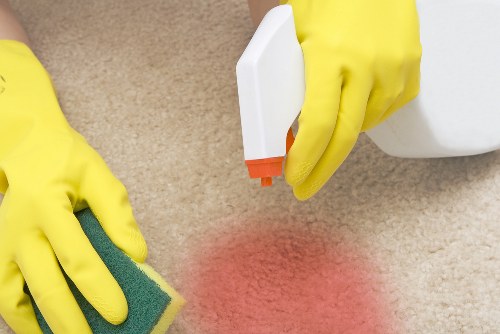
Rugs do far more than decorate a room. They soften footsteps, add warmth, reduce noise, and tie a space together visually. But because rugs sit directly on floors and collect foot traffic every day, they also trap dust, allergens, pet hair, skin cells, spills, and odors. Over time, that buildup can make even a beautiful rug look tired and feel less inviting.
Rug cleaning is not just about appearance. It supports a cleaner indoor environment, helps preserve fibers, and can extend the life of your investment. Whether you have a delicate Persian piece, a modern wool rug, or a durable synthetic area rug, regular care makes a major difference. Clean rugs can instantly improve the feel of a room, while neglected rugs can quietly affect air quality and comfort.
Many homeowners assume vacuuming is enough, but deeper rug cleaning is often necessary to remove embedded particles and restore texture. A routine that includes vacuuming, spot treatment, and periodic professional cleaning is one of the smartest ways to protect your flooring and maintain a polished home.
Understanding the Different Types of Rugs
Before choosing a rug cleaning method, it helps to know what kind of rug you own. Different materials respond differently to water, heat, and cleaning solutions. A method that works well for one rug could damage another.
Wool rugs are prized for softness and durability, but they can shrink or felt if handled improperly. Silk rugs are luxurious and delicate, requiring careful treatment and minimal moisture. Cotton rugs are often lighter and easier to clean, though they may still bleed color if washed incorrectly. Synthetic rugs such as nylon, polypropylene, and polyester are generally more forgiving, making them a popular choice for busy homes.
You may also own hand-knotted, hand-tufted, flatweave, shag, or high-pile rugs. Each construction affects how dirt settles and how the fibers should be cleaned. Knowing the material and weave helps you avoid mistakes and choose the safest rug cleaning approach.
Common rug categories to recognize
- Wool: Durable, naturally stain-resistant, but sensitive to harsh chemicals.
- Silk: Elegant and delicate, best handled with specialist care.
- Cotton: Lightweight and practical, but colorfastness should be tested.
- Synthetic: Often easier to clean and suitable for higher-traffic areas.
- Shag and high-pile: Comfortable underfoot, but prone to deep dust buildup.
The Benefits of Regular Rug Cleaning
Regular rug cleaning delivers benefits that go well beyond surface appearance. One of the biggest advantages is improved indoor air quality. Rugs act like filters, trapping particles that would otherwise circulate through the room. When those particles build up, they can be released into the air with foot traffic or vacuuming.
Another major benefit is odor reduction. Rugs absorb smells from pets, cooking, smoke, and spills. Over time, those odors can become noticeable even when the room looks clean. Proper rug cleaning removes the source of the smell instead of simply masking it.
There is also a practical financial benefit. Rugs are often expensive, especially handmade or natural-fiber pieces. Regular maintenance helps prevent premature wear, protects the backing and foundation, and reduces the chance of permanent staining. In other words, rug cleaning helps your rug stay beautiful and functional for longer.
Why routine care pays off
- Helps preserve fibers and colors
- Reduces allergens and trapped dust
- Improves the look and feel of the room
- Minimizes odors caused by spills and pets
- Can extend the life of the rug significantly
Daily and Weekly Rug Care Tips
Good rug maintenance starts with simple habits. A few small routines can dramatically reduce the amount of dirt that sinks into the fibers. If you want your rug cleaning efforts to be more effective, start with prevention and regular upkeep.
Vacuuming is the most important task. For low-pile rugs, vacuum at least once or twice a week. For high-traffic areas or homes with pets, more frequent vacuuming may be needed. Use a vacuum setting appropriate for the pile height so you do not stress the fibers. For delicate rugs, use a suction-only mode or a handheld attachment.
Rotate rugs every few months so wear is distributed more evenly. This is especially useful in sunny rooms, where UV exposure can fade colors unevenly. Also consider placing rug pads underneath, since they reduce movement, improve comfort, and minimize friction against the floor.
Simple habits that protect rugs
- Remove shoes indoors to reduce dirt transfer.
- Vacuum slowly so suction can lift embedded debris.
- Blot spills immediately with a clean, dry cloth.
- Rotate rugs to balance traffic wear and fading.
- Use entry mats to trap grit before it reaches the rug.
How to Handle Spills and Stains the Right Way
Spills happen, but fast action can prevent a small accident from becoming a long-term problem. The best rug cleaning response begins the moment the spill occurs. Do not rub aggressively, because that can push the stain deeper into the pile or damage fibers. Instead, blot gently using a white cloth or paper towel.
For liquid spills, work from the outside inward to prevent spreading. For solid messes, lift away as much material as possible before cleaning the area. Once the excess is removed, use a mild cleaning solution suitable for the rug type. Always test any product on a hidden area first to check for colorfastness.
Different stains need different approaches. Water-based spills often respond to gentle detergent and water, while oil-based spots may require a specialized solution. Pet accidents can be particularly troublesome because they leave both stains and odors. In such cases, deep rug cleaning is often the best way to fully neutralize the problem.
Best practices for spot treatment
- Act quickly before the stain sets
- Blot, do not scrub
- Test cleaners in an inconspicuous area first
- Use minimal moisture on delicate rugs
- Dry the area thoroughly after treatment
DIY Rug Cleaning vs. Professional Rug Cleaning
Many people wonder whether rug cleaning should be handled at home or left to professionals. The answer depends on the rug’s material, age, size, and condition. Some rugs are suitable for regular at-home maintenance, while others need specialized care to avoid damage.
DIY rug cleaning works well for surface dirt, routine vacuuming, and small fresh spills. With the right tools and gentle products, homeowners can maintain many synthetic and sturdy natural-fiber rugs. However, DIY methods are limited when it comes to deep-set soil, pet contamination, urine odor, mold, or fragile fibers.
Professional rug cleaning is often the safer choice for valuable, antique, handmade, or heavily soiled rugs. Professionals can assess the fiber type, dye stability, and construction before choosing a cleaning method. They also have equipment that extracts more dirt while controlling moisture and drying time.
When professional service makes sense
- The rug is antique, handmade, or high value
- There are deep stains or strong odors
- The rug has been damaged by water or pets
- Colors may bleed or fibers may shrink
- You want a deeper, longer-lasting clean
For many households, the best strategy is a combination of both: regular at-home care plus periodic professional rug cleaning. That balance keeps the rug looking fresh while protecting its structure and beauty.
Popular Rug Cleaning Methods Explained
There is no single rug cleaning method that works for every material. Understanding the most common techniques helps you make better choices for each rug in your home. Some methods focus on surface refreshment, while others penetrate deeply into the pile.
Dry rug cleaning uses minimal moisture and is often preferred for delicate rugs. This method can be helpful for sensitive fibers and quick turnaround times. Steam cleaning, on the other hand, relies on hot water extraction and may be effective for some synthetic rugs, but it is not always suitable for natural fibers.
Encapsulation and foam cleaning are other options used in certain situations. Encapsulation surrounds soil particles with a cleaning polymer that dries and is then vacuumed away. Foam methods use limited water and can be less intrusive than full saturation. The right rug cleaning method depends on construction, soil level, and the rug’s tolerance for moisture.
Key methods at a glance
- Dry cleaning: Minimal moisture, good for delicate rugs
- Steam cleaning: Deep extraction, best for compatible synthetic rugs
- Foam cleaning: Moderate moisture with controlled application
- Encapsulation: Useful for maintenance and surface soil
- Hand washing: Common for specialty and handmade rugs when done correctly
Why Fiber Type Changes the Rug Cleaning Process
Fiber type is one of the most important factors in rug cleaning because each material reacts differently to heat, chemicals, and agitation. A strong cleaner may lift stains effectively, but it could also strip natural oils, weaken fibers, or alter dye colors. That is why an informed approach matters.
Wool, for example, has natural resilience, but it can be sensitive to alkalinity and excess heat. Silk requires a much gentler touch because the fibers can weaken when wet or overworked. Cotton rugs may tolerate cleaning better, though they can shrink if dried improperly. Synthetic rugs usually offer more flexibility, but even they can flatten or discolor if treated harshly.
Understanding fiber behavior helps prevent avoidable damage. It also explains why two rugs that look similar might need completely different care. If you are unsure about a rug, professional testing and inspection are worth the effort before any deep cleaning begins.
Questions to ask before cleaning
- What fiber is the rug made from?
- Are the dyes stable or likely to bleed?
- Is the rug hand-knotted, tufted, or machine-made?
- Has the rug been treated previously?
- Does the rug show signs of wear, repair, or water damage?
Dealing with Pet Hair, Dander, and Odors
Homes with pets need a more intentional rug cleaning routine. Pet hair can weave into fibers, dander can settle deep in the pile, and occasional accidents may leave persistent odors. If you have cats or dogs, standard vacuuming may not be enough on its own.
Use a vacuum with strong suction and a brush attachment suitable for rugs. For stubborn hair, a rubber broom or pet hair removal tool can help lift embedded strands before vacuuming. Sprinkle baking soda carefully only if it is safe for your rug type, and only in moderation, since some fibers may react poorly to powders or excess residue.
When odors are present, the source must be addressed completely. Surface deodorizing can help temporarily, but deep rug cleaning is usually needed to remove the contamination from inside the pile and backing. This is especially true for urine, which can travel beyond the visible stain.
Pet-friendly maintenance tips
- Vacuum frequently in pet zones
- Clean accidents immediately and thoroughly
- Use rug pads to reduce movement and wear
- Trim pet nails to reduce snagging
- Schedule deeper rug cleaning more often if needed
How to Keep Rugs Looking Better for Longer
Long-term rug care is about consistency, not perfection. A rug that receives regular attention will look better, last longer, and require fewer emergency cleanups. The most effective routine combines prevention, maintenance, and occasional deep rug cleaning.
Consider the placement of your rug as well. Entryways, hallways, dining areas, and family rooms tend to collect more dirt than formal spaces. Rugs in those areas should be cleaned more often. In contrast, decorative rugs in low-traffic rooms may need less frequent attention, though they should still be vacuumed and inspected regularly.
Protection matters too. Furniture coasters can prevent crushing, rug pads can reduce friction, and controlled humidity can help preserve both fibers and backing. If sunlight is strong, curtains or UV-filtering window treatments can reduce fading over time. These small steps work together with rug cleaning to keep your textile investment in strong condition.
Practical long-term care reminders
- Inspect rugs seasonally for wear or staining
- Address spots before they become permanent
- Keep the floor beneath the rug clean as well
- Air rugs out when appropriate and safe to do so
- Use professional cleaning periodically for deeper restoration
Choosing the Right Rug Cleaning Service
If you decide to hire help, selecting the right rug cleaning provider is important. Not all services use the same methods, and not every company is equipped for specialty textiles. A reputable provider should be able to explain their process clearly and tailor rug cleaning to the rug’s specific needs.
Look for services that ask about fiber type, dye stability, pet damage, and prior treatments before quoting a process. They should also be transparent about drying times, stain risks, and what outcomes are realistic. The best providers avoid one-size-fits-all methods and instead evaluate the rug individually.
It is also wise to ask whether the rug will be cleaned on-site or off-site. Off-site rug cleaning often allows for more controlled washing, rinsing, and drying. On-site service may be suitable for some wall-to-wall carpeting or certain area rugs, but not always for fragile or valuable pieces.
What to look for in a service provider
- Experience with different rug fibers and constructions
- Clear explanation of cleaning methods
- Safe handling of stains and odors
- Proper drying and finishing procedures
- Attention to delicate or high-value rugs
Common Mistakes to Avoid During Rug Cleaning
Even well-intentioned cleaning can go wrong if the wrong technique is used. Some of the most common rug cleaning mistakes involve too much water, harsh chemicals, excessive scrubbing, and poor drying. These issues can create fading, shrinkage, buckling, or mildew.
Avoid using random household cleaners without checking compatibility. Bleach, strong alkaline products, and abrasive powders can damage many rugs. Likewise, over-wetting a rug can cause the backing to deteriorate or allow mold to develop beneath the surface.
Another mistake is ignoring the rug after cleaning. Proper drying is essential. Air circulation, prompt blotting, and enough drying time all matter. If a rug remains damp too long, the results can undo the benefits of the cleaning itself.
Smart rug cleaning is careful rug cleaning. When in doubt, start with the mildest safe approach and escalate only if needed.
Creating a Rug Care Routine That Works
The best rug cleaning strategy is a routine that fits your home, your lifestyle, and your rugs. Families with kids and pets will need a more active schedule than households with lower traffic. Still, every home can benefit from a consistent plan.
Try building a simple rhythm: vacuum weekly, address spills immediately, inspect for wear monthly, and schedule deep cleaning as needed. If your rug is in a high-traffic space, use additional protection and clean more frequently. For delicate rugs, focus on gentle maintenance and expert care when deeper treatment is necessary.
With the right habits, rug cleaning becomes far less stressful. Instead of waiting for a rug to look obviously dirty, you stay ahead of soil and preserve the quality of the piece. That means a more attractive room and a better return on your investment.
Sample rug care schedule
- Daily: Remove surface debris and manage spills quickly.
- Weekly: Vacuum carefully and check for problem areas.
- Monthly: Rotate rugs, inspect pads, and look for signs of wear.
- Seasonally: Assess whether deeper rug cleaning is due.
- As needed: Arrange professional cleaning for stubborn stains or delicate rugs.
Final Thoughts on Rug Cleaning
Rug cleaning is one of the most practical ways to protect your home’s comfort, cleanliness, and style. Rugs may seem like passive decor, but they work hard every day by catching dirt, absorbing sound, and adding warmth to your space. Without proper care, they can become dull, stained, and overloaded with debris.
By understanding your rug’s material, using the right daily habits, and knowing when to seek professional help, you can keep rugs looking better for longer. Regular rug cleaning supports better air quality, helps prevent damage, and preserves the colors and textures that make a rug special.
If your rug is overdue for attention, now is the perfect time to act. Contact us today or book your service now to refresh your rug, protect your investment, and enjoy a cleaner, more inviting home.