Communal Area Cleaning: Creating Safer, Fresher, and More Welcoming Shared Spaces
Why Communal Area Cleaning Matters
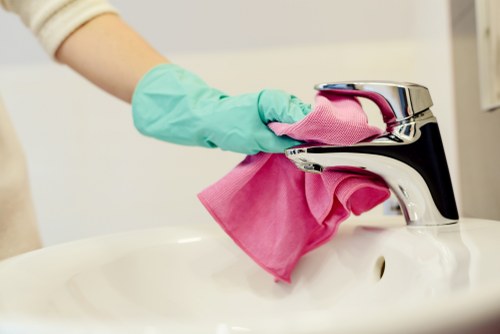
Communal area cleaning plays a major role in how people experience shared spaces every day. Whether it is a residential building, office block, student accommodation, apartment complex, retail center, or mixed-use property, the condition of communal areas shapes first impressions immediately. Clean corridors, polished entrance halls, tidy stairwells, and hygienic touchpoints create a space that feels cared for, professional, and comfortable.
In busy environments, shared areas are used by many people, which means dirt, dust, fingerprints, litter, and bacteria can build up quickly. That is why communal area cleaning is not just about appearance; it is also about hygiene, safety, and the overall wellbeing of everyone who uses the building. A well-maintained communal environment can reduce slip hazards, help control unpleasant odors, and support a cleaner indoor atmosphere.
For property managers and building owners, investing in regular communal area cleaning is also a smart way to protect assets and improve tenant satisfaction. Clean shared spaces signal responsibility and attention to detail, helping buildings retain value over time. In short, effective communal area cleaning benefits residents, employees, visitors, and management alike.
What Communal Area Cleaning Includes
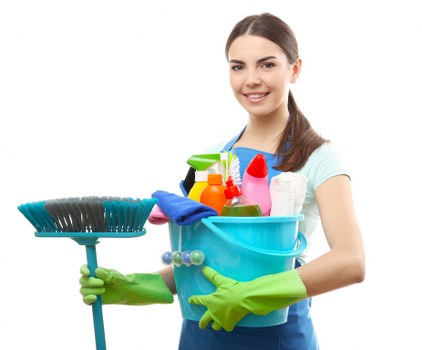
Communal area cleaning covers a wide range of tasks depending on the type of property and the level of traffic. Shared spaces are often larger and more complex than private interiors, so cleaning routines need to be systematic and consistent. A strong plan typically includes both visible surface cleaning and detailed maintenance of high-contact areas.
Common tasks in communal area cleaning may include vacuuming carpets, sweeping and mopping floors, dusting skirting boards, cleaning windows, sanitizing handrails, and wiping down elevator buttons or door handles. In many buildings, cleaners also take care of reception areas, lobbies, mailroom surfaces, communal kitchens, and shared washrooms. These tasks help maintain a neat and hygienic environment throughout the building.
Depending on the property, additional responsibilities can include litter removal, cobweb clearance, waste bin management, odor control, spot cleaning of walls, and periodic deep cleaning. Communal area cleaning services are usually tailored to the building’s specific needs, which means a high-rise apartment block will require a different schedule than a small office or a school campus.
Examples of Shared Areas That Need Attention
- Entrances and reception areas
- Hallways and corridors
- Staircases and landings
- Elevators and lift lobbies
- Car parks and external pathways
- Shared kitchens and break rooms
- Toilets and washrooms
- Bin stores and waste disposal points
Key Benefits of Professional Communal Area Cleaning

One of the strongest reasons to prioritize communal area cleaning is the impact it has on health and safety. Shared spaces are touched by many hands each day, and that increases the risk of spreading germs and contaminating frequently used surfaces. Regular cleaning and disinfection can help reduce that risk and make the environment more hygienic for everyone.
Another major benefit is visual appeal. A clean and orderly communal space creates a positive atmosphere and gives residents, staff, and visitors confidence in the property. In residential buildings, this can improve tenant retention and satisfaction. In office environments, it can boost morale and reinforce a polished company image. Cleanliness influences how people feel about a place long before they consciously analyze it.
There is also a financial advantage. Preventative cleaning helps preserve flooring, fixtures, paintwork, and fittings by removing grime before it causes wear and damage. Over time, this can reduce repair and replacement costs. Professional communal area cleaning is therefore both a service and an investment in the property’s long-term condition.
Health, Image, and Cost Benefits
- Improved hygiene: Less dust, debris, and bacteria in shared spaces.
- Better first impressions: Clean common areas instantly enhance perception.
- Safer surfaces: Reduced risk of slips, trips, and falls.
- Longer-lasting materials: Regular care protects floors and fixtures.
- Higher occupancy appeal: Attractive spaces support tenant and visitor satisfaction.
Communal Area Cleaning in Residential Buildings

Residential properties present unique cleaning challenges because of frequent foot traffic, varied schedules, and the need to balance privacy with service quality. In apartment blocks, managed housing, and housing associations, communal area cleaning must be reliable and discreet. Residents expect hallways, stairs, entrances, and lift areas to remain clean without causing disruption.
The most effective residential cleaning routines focus on the spaces people use every day. Entry doors, intercom panels, railings, noticeboards, and elevator controls can collect fingerprints and dust quickly. Communal area cleaning in these settings should therefore include routine sanitizing of high-touch points, as well as floor maintenance and waste removal to keep the building presentable.
It is also important to adapt cleaning frequency to the amount of use. A large apartment complex with hundreds of residents may need daily cleaning, while a smaller block may require several visits per week. Professional cleaners can assess the property and design a cleaning schedule that keeps the environment consistently tidy while remaining cost-effective.
Residential Cleaning Priorities
- Entrance lobbies and front doors
- Shared staircases and landings
- Mailbox and parcel delivery zones
- Internal windows and glass panels
- Lift interiors and controls
- Bin storage rooms and refuse areas
Communal Area Cleaning in Commercial and Business Properties
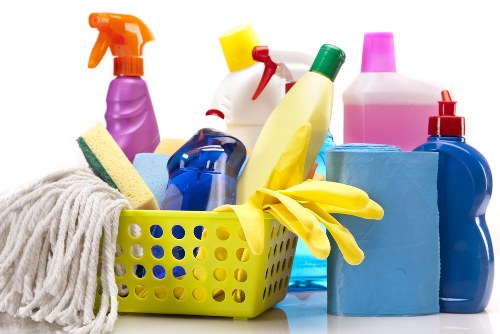
In commercial settings, communal area cleaning directly affects productivity, professionalism, and client perception. Offices, coworking buildings, retail premises, and business centers often have shared entrances, reception spaces, toilets, kitchens, and corridors. These spaces must remain clean and organized so that employees can focus on work and visitors feel welcome.
Commercial communal area cleaning often requires a flexible schedule because buildings may operate early, late, or around the clock. Cleaning teams may work before opening hours, after closing, or during quiet periods to avoid interfering with operations. A well-planned routine ensures that shared spaces stay presentable without disrupting daily business activity.
In offices, the quality of communal area cleaning can influence how staff perceive the organization. Clean break rooms, sanitized washrooms, and well-maintained hallways support a healthier working environment. For client-facing businesses, spotless shared areas help reinforce trust and professionalism. Communal area cleaning services in commercial properties are often expected to meet higher standards because these spaces are part of the brand experience.
Common Commercial Cleaning Tasks
- Reception desk and waiting area cleaning
- Restroom sanitation and restocking
- Kitchen and break room hygiene
- Corridor vacuuming and mopping
- Window and glass cleaning
- Elevator surface sanitizing
- Waste collection and recycling support
How a Professional Cleaning Schedule Works
Effective communal area cleaning depends on structure. A reliable schedule ensures that tasks are completed consistently and that no important area is overlooked. Instead of responding only when the space looks dirty, a proactive plan prevents buildup and keeps standards high throughout the week.
Cleaning schedules are typically based on a mixture of daily, weekly, and periodic tasks. High-traffic surfaces such as handles, switches, and lift buttons may need daily attention, while deep cleaning of carpets, upholstery, and hard-to-reach areas may happen less frequently. The schedule should reflect the building’s use, size, and occupancy patterns.
Flexibility is important too. Seasonal conditions can affect communal area cleaning needs. For example, rainy weather may increase mud and moisture in entrances, while winter may bring salt residue and extra dirt from shoes. A good cleaning plan adapts to these changing conditions.
Typical Cleaning Frequency
- Daily: High-touch points, floors, bins, entrances, toilets
- Several times per week: Dusting, glass polishing, staircase care
- Weekly: Detailed edge cleaning, spot removal, waste area checks
- Monthly or quarterly: Deep cleaning, machine scrubbing, specialist treatment
Tools and Techniques Used in Communal Area Cleaning
Professional communal area cleaning relies on the right tools, products, and methods. Using appropriate equipment improves cleaning quality, saves time, and helps protect surfaces. For example, microfiber cloths are ideal for capturing dust and polishing fixtures, while commercial vacuum cleaners are better suited to heavy-use carpets and larger floor areas.
Cleaning products should match the task. Disinfectants are useful for sanitizing touchpoints, neutral cleaners work well on many hard floors, and specialist glass products help keep windows streak-free. In some properties, eco-friendly cleaning solutions are preferred because they reduce harsh chemical exposure and support sustainability goals.
Techniques matter just as much as products. Cleaners should work from the top of a room downward, use separate cloths for different areas, and follow hygiene protocols to avoid cross-contamination. Communal area cleaning is most effective when staff are trained to work methodically and consistently.
Useful Equipment and Materials
- Microfiber cloths and dusters
- Commercial vacuum cleaners
- Mops and bucket systems
- Floor scrubbers and polishers
- Disinfectant sprays and wipes
- Glass and stainless-steel cleaners
- Waste bags and recycling liners
- Warning signs for wet floors
Health and Hygiene Standards in Shared Spaces
Communal area cleaning is closely linked to hygiene standards. Shared spaces can become hotspots for germs because many people touch the same surfaces each day. This makes sanitation a key part of the cleaning process, especially in buildings with children, older adults, office workers, or high visitor numbers.
High-contact areas should be cleaned and disinfected with particular care. These include lift buttons, banisters, door handles, light switches, and shared kitchen appliances. In washrooms, sanitation should extend to sinks, taps, toilet fixtures, soap dispensers, and hand dryers. Cleaners must also ensure that waste is removed regularly to prevent odors and contamination.
Good hygiene practices do more than remove visible dirt. They support healthier indoor conditions, reduce the spread of illness, and help residents or employees feel more comfortable using shared facilities. This is one reason why professional communal area cleaning is often considered essential rather than optional.
Hygiene Best Practices
- Sanitize high-touch surfaces frequently.
- Use color-coded cleaning materials where appropriate.
- Replace waste liners before overflow occurs.
- Air out spaces when possible to improve freshness.
- Follow product instructions for safe and effective use.
Safety Considerations During Communal Area Cleaning
Safety is a critical part of every communal area cleaning plan. Shared areas are often busy, and cleaners must work carefully to avoid creating hazards while cleaning. Wet floors, cables, equipment, and chemicals can all pose risks if not managed properly.
Clear communication helps reduce accidents. Temporary warning signs should be used during mopping or floor treatment, and equipment should be stored neatly to avoid obstructing walkways. Cleaning teams should also be trained to handle chemical products responsibly and to follow safe lifting and waste-disposal procedures.
In buildings with vulnerable residents or high foot traffic, safety planning becomes even more important. A well-run communal area cleaning service considers not only how to clean effectively, but also how to protect the people who move through the space every day.
Safety Measures That Matter
- Use wet floor signs whenever surfaces are damp
- Keep exits and fire routes clear
- Store tools and products securely
- Train staff on chemical handling and dilution
- Report damage, spills, or hazards promptly
Choosing the Right Communal Area Cleaning Service
Not all cleaning providers offer the same level of service, so choosing the right one is important. A dependable communal area cleaning company should understand shared-space requirements, have experience with similar properties, and be able to provide a consistent standard of work. Reliability is just as valuable as technical skill.
Before appointing a service, it helps to assess how they build cleaning plans. Do they inspect the property before quoting? Do they offer customized schedules? Are their cleaners trained in hygiene, safety, and customer service? These factors often determine whether the service will truly meet expectations.
It is also useful to look for companies that use quality control processes. Regular inspections, task checklists, and clear reporting systems help maintain standards over time. When choosing a provider, prioritize attention to detail, communication, and flexibility. Book your service now if your property needs a better routine for shared-space care.
Questions to Ask Before Hiring
- What types of communal properties do you clean?
- How do you tailor cleaning schedules?
- What products and equipment do you use?
- How do you handle health and safety compliance?
- Do you offer deep cleaning when needed?
Eco-Friendly Communal Area Cleaning
Sustainability is becoming increasingly important in property management, and communal area cleaning can support greener practices. Eco-friendly cleaning focuses on reducing waste, choosing safer products, and using resources efficiently. This approach can appeal to environmentally conscious residents, tenants, and building managers.
Low-impact cleaning products, refillable dispensers, microfiber materials, and optimized scheduling can all help reduce environmental impact. Using the right amount of water and avoiding unnecessary chemical use also contributes to sustainability. For many properties, this is an easy way to align cleaning practices with broader environmental goals.
Communal area cleaning does not have to rely on harsh chemicals to be effective. With the right training and tools, cleaning teams can maintain high standards while minimizing environmental impact. This can be especially valuable in buildings where ventilation, air quality, or sensitivity to strong odors is a concern.
Green Cleaning Ideas
- Choose biodegradable or low-toxicity products
- Use reusable microfiber cloths
- Measure products accurately to avoid waste
- Separate recycling from general waste
- Reduce energy use with efficient equipment
Final Thoughts on Maintaining Excellent Shared Spaces
Strong communal area cleaning standards help create properties that feel safe, comfortable, and well cared for. Whether the setting is residential or commercial, shared spaces send a powerful message about management quality and daily operations. Clean entrances, sanitary touchpoints, and well-maintained corridors all contribute to a more positive experience for every person who enters the building.
Consistency is the key to success. A one-time clean may improve appearance temporarily, but regular communal area cleaning is what keeps a property truly presentable. With the right plan, the right tools, and the right service provider, shared spaces can remain fresh and welcoming throughout the year.
If your building could benefit from a better cleaning routine, now is the time to act. Contact us today to improve your communal spaces, or book your service now to keep your property looking its best all year round.
Common Signs Your Property Needs Better Cleaning Support
- Dust and litter build up quickly in hallways
- Fingerprints appear frequently on doors and lifts
- Washrooms or kitchens lose freshness during the day
- Residents, staff, or visitors comment on cleanliness
- Floors look dull, stained, or poorly maintained
When these issues appear, it is often a sign that the existing routine needs improvement. A more structured approach to communal area cleaning can restore standards, improve presentation, and make shared environments more pleasant for everyone.